Get teachers a raise!

Monica McKitterick • July 17, 2019


As the daughter of a teacher, I know the struggles these amazing people go through to provide an education for our youth. Teacher salaries are not flashy and sought after, therefore these individuals are doing this amazing work because it's in their heart. My hope, is to let them keep a bit more of their paycheck in their pockets while providing them exceptional medical care.


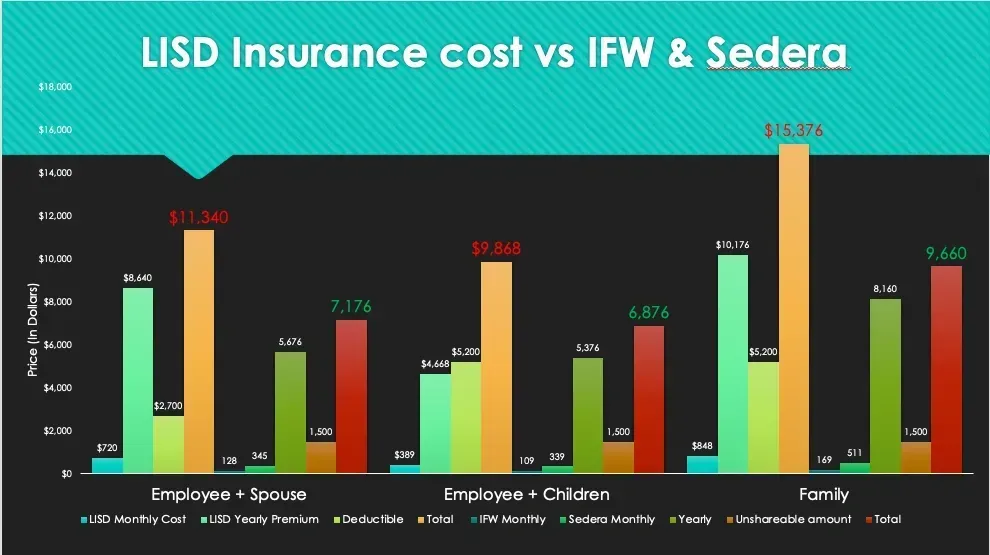
Please watch the video to see how utilizing Direct Primary Care and a Health Sharing community can greatly cut medical benefit costs, provide exceptional care, and allow our teachers to take home more of their paycheck. This is a direct comparison of Leander ISD but applies to any school district.


Not a teacher, but want a raise too? This comparison of insurance based medical benefits vs DPC and health share can apply to any employee in any business. Just because your employer offers you medical benefits doesn't mean it truly is the best benefit for you. Contact me today if you have any other questions!
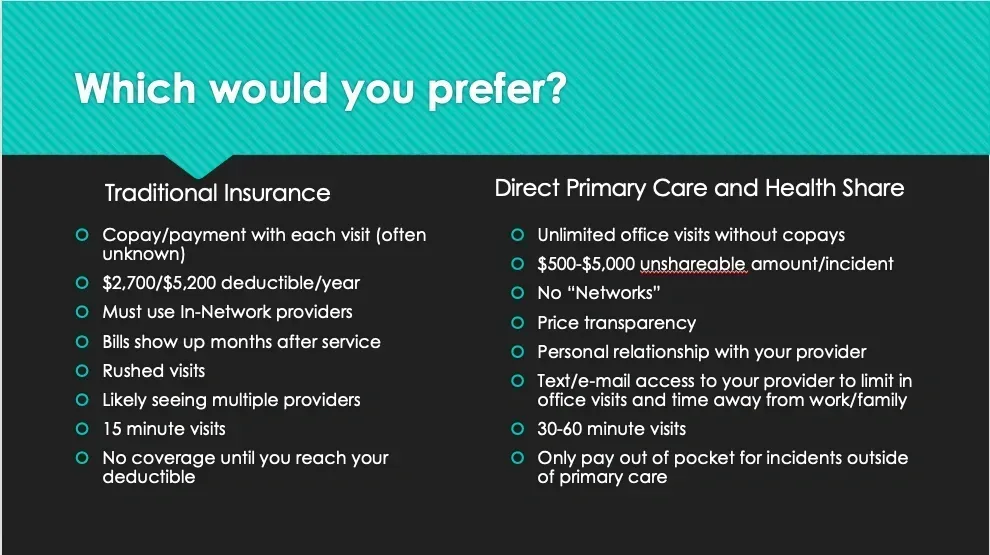
Which would you prefer between traditional insurance and direct primary care and health share
A graph showing lisd insurance cost vs ifw and sedera
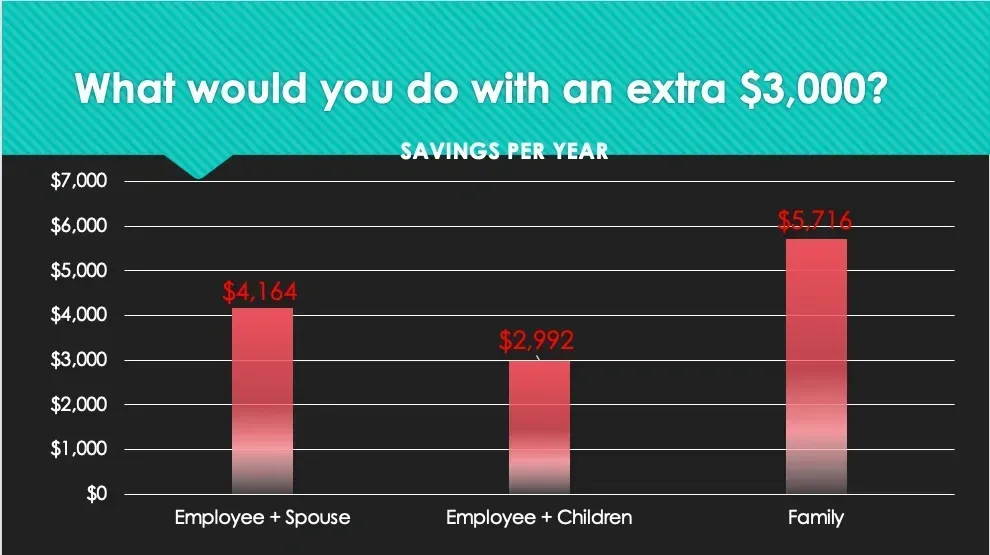
A graph showing what would you do with an extra $ 3,000.
Doctor smiling at a couple seated at a desk; doctor's office setting with a clipboard.
By Monica McKitterick November 28, 2025
Learn 7 reasons why families choose Direct Primary Care: affordable, easy-to-access healthcare with no insurance hassles or surprise costs.
Syringe injecting clear liquid from a vial with a metal cap, on blue background.
By Monica McKitterick November 12, 2025
Learn the benefits of vitamin injections, including increased energy, better sleep, stronger immunity, healthier skin, and support for weight management.
Doctor and patient reviewing paperwork, doctor smiling, indoors.
By Monica McKitterick October 16, 2025
Learn 5 ways direct primary care can help with testosterone therapy, including Cedar Park, Leander & North Austin. Take the first step toward better health.
Red heart, family figurines, and stethoscope on a wooden table, symbolizing healthcare.
By Monica McKitterick September 19, 2025
Find 8 affordable health insurance alternatives in the USA, including local options in Cedar Park, Leander, and Round Rock. Protect your health today.
By Monica McKitterick September 2, 2025
Open enrollment season is here, which means you’re staring at a stack of health insurance options, wondering which one will cost you the least while still giving you great care. Here’s the secret: the smartest plan might not be the most expensive one. Pairing the right insurance with Direct Primary Care (DPC) can save you a ton of money. Here’s how it works: Instead of paying for a high-cost, low-deductible insurance plan that you rarely use, choose a lower-premium, high-deductible plan for the “big stuff” like hospital stays, specialists, and emergencies. Let DPC handle your everyday care. At Impact Family Wellness, your DPC membership covers: Unlimited visits with your provider No copays, ever Same- or next-day appointments Extended visits so you actually have time to talk about your health Transparent pricing for labs, imaging, and medications That means you do not have to run every cough, ache, or prescription refill through your insurance. You get better access to care and you keep more money in your pocket. The game-changing news: Starting January 1, 2026 , you can use your Health Savings Account (HSA) to pay for your DPC membership. This is significant because it means your DPC fees can now be paid with pre-tax dollars, thereby lowering your taxable income while providing the care you need. How to set yourself up for maximum savings during open enrollment: Choose a high-deductible health plan (HDHP) that is HSA-eligible. Open or contribute to your HSA . This account allows you to pay for qualified medical expenses, including DPC memberships starting in 2026, using tax-free dollars. Sign up for DPC to enjoy unlimited access to your provider for one low monthly rate. Use insurance only when you need it such as for specialist visits, hospital care, or major procedures. Why it works: You stop overpaying for coverage you do not actually use and start paying for care that you can access anytime. It is the best of both worlds. Affordable, everyday healthcare from DPC and financial protection from insurance for the big stuff. This open enrollment, do not just pick a plan. Pick a strategy. DPC, combined with the right insurance and an HSA, is the ultimate combination for saving money and receiving the care you deserve.
Doctor in white coat holding clipboard, listening attentively. Stethoscope around neck.
By Monica McKitterick August 15, 2025
Understand why primary care providers can’t address every health issue at once. Serving Cedar Park & North Austin. Take charge of your health today.
By Monica McKitterick July 17, 2025
Key Takeaways You don’t need insurance to access affordable care Telehealth services offer convenient, low-cost virtual visits for common issues Sliding scale and community clinics base their fees on your income Direct Primary Care (DPC) is a monthly membership model that gives you consistent access to a doctor for routine needs Cash-pay discounts are available at many doctors’ offices and labs Prescription discount programs like GoodRx and SingleCare can help reduce medication costs by 50-80% Nonprofit hospitals and local programs often provide financial assistance or charity care Alternative insurance options like catastrophic plans or short-term coverage can provide backup in case of major emergencies 7 Ways You Can Save on Medical Bills Healthcare costs in the United States are rising faster than incomes, and not just for major procedures or hospital stays. According to former Congressional Budget Office Director Peter Orszag , it’s the cost per patient, not just the number of patients, that is driving America's long-term fiscal crisis. Even within the same city, prices for identical medical services can vary dramatically. This unpredictability leaves many patients struggling to plan for or afford basic care. For people who are uninsured or underinsured, this often translates into skipped doctor visits, delayed treatment, and a fear of even routine care. A simple check-up or lab test can mean hundreds of dollars out-of-pocket, with no clear explanation of what’s included or what alternatives exist. Meanwhile, healthcare providers and hospitals are not incentivized to control prices or offer transparency, and patients are left to carry the burden without tools to navigate the system. While the system is far from perfect, there are practical ways to reduce your healthcare costs, some of which are overlooked entirely by traditional insurance plans. In the guide below, you’ll find seven smart strategies that can help you access affordable, reliable care without draining your savings. 1. Use Telehealth Services Telehealth, or virtual doctor visits, has become one of the easiest and most affordable ways to get care for common health issues. Whether you're dealing with a sore throat, a rash, a medication refill, or a follow-up question, many telehealth platforms connect you with licensed providers for a flat, transparent fee, and no waiting room. Some services charge as little as $15 to $40 per visit, and a few even offer free consultations through state programs, non-profits, or employer-sponsored health initiatives. Check HRSA.gov for local community health centers, many of which now provide free or low-cost virtual care. Tip: When signing up, make sure to check whether prices are for insured or self-pay patients. Many platforms clearly list both. 2. Look Into Sliding Scale and Community Clinics Community health clinics and “sliding scale” clinics offer medical services based on your income and ability to pay. That means you might pay $0 for a visit, or just a small fee, even without insurance. These clinics are designed specifically to serve people who are uninsured, underinsured, or struggling financially. Services can include: Primary care and check-ups Lab tests Vaccines and preventive care Women’s health and prenatal services Mental health and substance use counseling To find one near you, visit the HRSA Health Center Finder . This federal tool lists local clinics that receive government funding to keep care affordable. Many of these clinics also now offer telehealth appointments if you’re unable to visit in person. Tip: You’ll usually need to bring proof of income (like a pay stub or tax return), but staff can often help you gather what you need. 3. Consider Direct Primary Care (DPC) Direct Primary Care (DPC) is a different kind of healthcare model where you pay a flat monthly fee, often between $50-$100, for unlimited access to your primary care doctor. There are no surprise bills, no copays, and no dealing with insurance companies. Many DPC clinics offer: Same-day or next-day appointments Extended visits with your doctor Messaging or virtual consults at no extra cost Basic lab work is included or offered at deeply discounted rates Care for chronic conditions, preventive needs, and acute illnesses For someone without insurance, DPC can feel like having a doctor “on call” without the emergency room price tag. While it doesn’t replace insurance for hospital stays or major surgeries, it can significantly reduce the need for urgent care or specialist visits. You can search for DPC providers in your area using DPC Frontier’s mapper , such as Impact Family Wellness in Texas, which offers straightforward, transparent pricing explicitly designed for individuals and families without insurance. Tip: DPC works well alongside things like catastrophic insurance or short-term plans, giving you peace of mind for both routine and unexpected needs. 4. Ask About Cash-Pay Discounts Many doctors’ offices, labs, imaging centers, and even hospitals offer lower rates for self-pay patients, but you have to ask. When you’re not going through insurance, providers often skip the administrative costs and offer a discount just for paying at the time of service. Here’s what that might look like: A doctor’s visit that’s billed at $180 through insurance might cost only $80 or less for self-pay Bloodwork panels can often be done for $10-$50 at independent labs X-rays or ultrasounds can sometimes be arranged for a fraction of hospital pricing at stand-alone imaging centers You can also compare prices in advance using tools like: Healthcare Bluebook - Estimates fair prices for common procedures ClearHealthCosts - Crowd-sourced price data for medical services Quest Diagnostics - Offers direct-to-consumer lab test options at posted prices Tip: Always ask for an estimate before your visit and get it in writing when possible. This helps avoid unexpected charges later. 5. Use Prescription Discount Programs Prescription costs can add up quickly, but you don’t have to pay retail prices at the pharmacy. Several programs offer free or low-cost discount cards that can dramatically reduce the price of both brand-name and generic medications. Here are some trusted tools to try: GoodRx - Compare prices at nearby pharmacies and get printable or digital coupons SingleCare - Offers discounts on prescriptions, dental, and vision services NeedyMeds - Connects patients to medication assistance programs from drug manufacturers Cost Plus Drugs - Transparent pricing on hundreds of common medications, sold at cost plus a small markup You can often save 50-80% or more, especially on generic drugs. In some cases, using these discounts is cheaper than using insurance. Tip: When you get a prescription, ask your doctor if a generic version is available—it’s usually just as effective, but far more affordable. 6. Leverage Nonprofit Help and Local Aid Programs Many hospitals, nonprofit organizations, and even local governments offer financial assistance programs for people who can’t afford medical care. These programs aren’t always advertised, but they can cover large portions of hospital bills, specialist visits, medications, and even transportation to appointments. Start with your local hospital. Under federal law (known as IRS 501(r) regulations), nonprofit hospitals are required to offer financial assistance or “charity care” to patients who qualify. Even if you've already received care and have a bill, you may be able to apply for retroactive assistance to reduce or eliminate your balance. Other places to check: Local United Way - Connects you with community clinics, support services, and emergency aid State and county health departments - Many offer help with things like free immunizations, cancer screenings, and chronic disease management Tip: Ask to speak to a hospital’s financial counselor or billing department before or after a visit. Don’t assume you’re ineligible; many programs cover people with low income, even if they’re not on Medicaid. 7. Revisit Your Insurance Options—But Think Outside the Box According to a national survey cited in Psychiatric News , over one-third of insured adults still face medical debt, and many delay or skip necessary care due to high deductibles, denied claims, or surprise charges. In some cases, insurance didn’t pay for services people assumed were covered, or they had reached their plan’s limit without realizing it. If you’re uninsured, or if your plan feels too expensive to use, it may be time to explore non-traditional or supplemental options: Catastrophic or high-deductible plans - These typically have lower monthly premiums and are designed to cover worst-case scenarios like hospital stays or surgeries Short-term health plans - Limited but more affordable coverage for people between jobs or outside open enrollment Health care sharing ministries - Not insurance, but faith-based community cost-sharing models that help with larger expenses. Local Medicaid alternatives or indigent care programs - Some counties or states offer coverage-like assistance for low-income residents. These options aren’t perfect, and they’re not a replacement for comprehensive insurance, but when paired with low-cost care models like Direct Primary Care or community clinics, they can help fill in the gaps without breaking your budget. Tip: Use resources like HealthCare.gov to explore income-based plans, and ask clinics if they work with local financial assistance programs that help reduce your cost of care. Final Thoughts: Affordable Care Is Within Reach The high cost of healthcare can make it feel like you’re out of options, but the truth is, you’re not powerless. Whether you’re uninsured, underinsured, or simply trying to avoid another unexpected bill, there are ways to get the care you need without going broke. From sliding scale clinics to telehealth platforms, prescription discounts to community-based aid, these strategies exist to make healthcare more accessible and more predictable. And while traditional insurance can offer some protection, it’s not the only path to staying healthy. Pairing low-cost services like Direct Primary Care with other smart options can help you take control of your health without constant financial anxiety. The more you know about your options, the more confident you can feel taking that next step toward better, more affordable health.
young adult man looking down at his feet while presumably in a therapy session
By Monica McKitterick June 20, 2025
Key Takeaways Mental health affects everyone , but minority groups often face more challenges in getting care due to stigma, cultural barriers, and limited access to services. Minority Mental Health Month was established to bring attention to these disparities and encourage action that leads to more equitable mental health support. Cultural beliefs, mistrust in the healthcare system, and lack of resources all contribute to gaps in care for racial, ethnic, and underserved communities. Native American and multiracial adults have some of the highest reported rates of mental illness , but underdiagnosis and access issues affect many groups. Solutions include raising awareness, promoting culturally competent care, improving access through integrated care models, and supporting inclusive policies. You can help by supporting advocacy organizations, sharing stories, learning about inclusive care, and participating in community events during Minority Mental Health Month.  Why Minority Mental Health Deserves Attention and Support Nearly 1 in 5 adults in the United States live with a mental illness each year, according to the National Institute of Mental Health (NIMH) . That number alone shows how common mental health struggles are. But what’s not always talked about is how different the experience can be for people in minority communities. Each July, Minority Mental Health Awareness Month is recognized to bring attention to these differences. The month was started in 2008 in honor of Bebe Moore Campbell, a writer and mental health advocate. She worked hard to raise awareness about how racial and cultural differences can make it harder to get mental health care. When we talk about “minority” in this context, we mean people that have historically had less access to resources and support. This includes: Racial and ethnic groups , like Black, Hispanic, Asian, and Indigenous communities Immigrants and refugees People who speak languages other than English Mental health affects everyone, but it doesn’t affect everyone in the same way. For minority groups, the challenges are often shaped by life experiences like discrimination, language barriers, or cultural beliefs. These factors can lead to more stress, fewer treatment options, or feeling uncomfortable talking about mental health at all. This is what we mean by minority mental health , the way mental health is experienced and treated within these groups. It includes not just the symptoms of conditions like depression or anxiety, but also the extra barriers many people face when trying to get care. Understanding these differences is a step toward creating more fair and supportive mental health systems for everyone. The Extra Challenges Some Minorities Face With Mental Health A. Cultural & Social Barriers In some cultures, talking about mental health is still seen as a sign of weakness. People might be told to keep things private or “tough it out.” This kind of stigma can make someone feel embarrassed or ashamed to seek help, even when they’re struggling. For example, Black communities in the U.S. have faced discrimination in healthcare for generations. Because of this, some people may be less likely to seek care, or feel unsure if they’ll be treated fairly when they do. B. Structural Disparities in Healthcare Even when someone is ready to get help, the system doesn’t always make it easy. Here are a few common barriers: Lack of bilingual or culturally aware providers – It’s not always easy to find a therapist who speaks your language or understands your culture. This can make it hard to explain what you’re feeling or trust that the provider really “gets it.” Limited or no insurance – Many people from minority groups are more likely to be uninsured, which makes it hard to afford mental health care. Underdiagnosis or misdiagnosis – Symptoms may look different across cultures. Without proper training, some providers might miss signs of mental health conditions, or label them incorrectly. Not enough providers in the area – In many communities, especially rural or low-income ones, there are not enough mental health professionals available. This makes the wait times longer and the access much harder. C. Socioeconomic Pressures Mental health doesn’t exist in a bubble, it’s deeply connected to a person’s life situation. Many minorities face higher rates of poverty, unemployment, or chronic illness. These ongoing stresses can increase the risk of anxiety, depression, or trauma. For immigrants and refugees, there can also be extra layers like language barriers, fear of deportation, or past trauma from war or displacement. Discrimination and racism, both daily and systemic, can also cause long-term emotional harm. All of these things make mental health challenges more likely, and getting care even harder. Which Minorities Groups Struggle the Most With Mental Health According to the most recent data from American Psychiatric Association , the group with the highest reported rate of mental illness in the U.S. is American Indian and Alaska Native adults, at approximately 26%. This number is especially concerning when combined with high rates of poverty, substance use, and suicide in these communities. Here’s a snapshot of the data on adults who reported experiencing any mental illness in the past year: White: About 23% report mental illness. Multiracial: Around 34%, which is also higher than the national average. Black: Around 17%. Hispanic/Latino: Roughly 18%. Asian: About 14%, the lowest reported rate. At first glance, it might seem like some groups have lower rates of mental illness. But those numbers may not reflect the full picture. Lower reported rates don’t always mean fewer people are struggling. In fact, they may reflect other issues: Underdiagnosis – Some symptoms may not be recognized or may be mistaken for something else. Access barriers – If people can’t get mental health care, they’re less likely to have a formal diagnosis. Stigma or fear – People in some communities may avoid seeking help due to fear, cultural beliefs, or past negative experiences. So, while the data gives us a starting point, it’s important to read it with care. Each group’s experience is shaped by many layers, from personal struggles to systemic issues. What Can Help Make Mental Health Care More Fair There are ways to make the system better, especially for communities who’ve been left out or overlooked. Making mental health care more fair means listening to what people need, removing barriers, and making sure support is available in a way that feels safe and respectful. Raise Awareness and Reduce Stigma One of the biggest steps is simply talking about mental health more openly. Campaigns like Make It OK and organizations like the Black Mental Health Alliance (BMHA) work to change how people think about mental health, helping communities understand that it’s okay to ask for help, and that mental illness is not a personal failure. When people hear others share their stories, it can break down fear and silence. Education helps everyone, including families, schools, and workplaces feel more confident in offering support and understanding. Train Providers in Culturally Competent Care Mental health professionals need to understand the values, language, and lived experiences of the people they’re trying to help. That’s where culturally competent care comes in. It means providers are trained to respect and respond to different backgrounds and beliefs, without making assumptions, like: Listening without judgment Offering care in a person’s native language (or having interpreters available) Understanding how trauma, racism, or community values affect mental health Providers who take the time to learn and grow in this way can build stronger trust and give better care. Bring Mental Health Into Primary Care Another helpful change is connecting mental health care with primary care , the type of everyday health visits people are already used to. When mental health is treated like any other part of health, it becomes easier to talk about and easier to access. Direct Primary Care (DPC) models are well-positioned to do this. By giving more time to each patient and building strong provider relationships, DPC allows mental and physical health concerns to be addressed together, in a more personal and low-pressure setting. Support Policy Changes That Increase Access Some changes need to happen at the system level. That includes pushing for: Mental health parity laws , so insurance plans must treat mental health the same as physical health Incentives to bring more providers into underserved areas, including rural or low-income communities More funding for school-based programs , community centers, and crisis care Support for mobile or telehealth services , which can make it easier for people to get help from wherever they are These policy changes take time, but they can make a big impact by expanding access and removing long-standing barriers. Supporting Minority Mental Health Month Minority Mental Health Month, recognized each July, is a time to pause, reflect, and take action. It’s a chance to highlight the mental health experiences of communities that often go unheard, and to support real steps toward equity in care. Share Stories That Need to Be Heard Listening to and sharing the voices of people from minority backgrounds helps bring awareness to real challenges, and real resilience. It may be a personal experience or a post from an advocacy group, sharing these stories (with permission and respect) helps reduce stigma and create understanding. It also reminds others that they’re not alone. Support Nonprofits Doing the Work There are many organizations working year-round to improve mental health access and support for underserved communities. A few to explore or donate to: NAMI (National Alliance on Mental Illness) – Offers education, support, and advocacy across the U.S. BMHA (Black Mental Health Alliance) – Focuses on culturally-relevant mental health care for Black communities Active Minds – Promotes mental health awareness, especially among students and young adults Even a small donation, a social media share, or volunteering time can make a meaningful impact. Advocate for More Inclusive Policies Advocating for more inclusive policies means calling for change in schools, workplaces, and communities to better serve people from all backgrounds. This can include supporting mental health education in public schools, pushing employers to offer mental health benefits that reflect the needs of diverse employees, and encouraging local leaders to invest in mental health services in underserved neighborhoods. Learn and Share What Culturally Competent Care Looks Like Culturally competent care means health providers understand and respect a patient’s background, values, and lived experiences. When providers are trained to offer this kind of support, patients are more likely to feel safe, heard, and willing to continue treatment. Learning about culturally competent care, and encouraging others to do the same, helps shift the focus toward more respectful and effective mental health practices for minority communities. Attend or Host an Educational Event Events are a great way to raise awareness and build understanding. Attending a local mental health workshop, panel discussion, or webinar during Minority Mental Health Month can help people learn more about the issues and how to be part of the solution. You can also organize your own event, even something simple, like a book discussion, community talk, or team lunch-and-learn. Conclusion: Mental Health Equity Is a Public Health Imperative For many minority communities, support is harder to find and sometimes not even offered in a way that makes sense for their lived experience. That needs to change. Equity in mental health means making sure everyone, no matter their background, has access to care that is respectful, affordable, and truly helpful. It means removing barriers and building a system that sees and serves the whole person. This change won’t happen all at once, but it starts with awareness, and grows through action. Talk about these issues with people around you. Share stories that need to be heard. Support policies and programs that bring care to those who’ve been left out. Everyone deserves to feel mentally well. Everyone deserves to be treated with dignity. And together, we can help build a future where that’s not the exception, it’s the norm.
Impact Family wellness provider conducting a physical checkup on a patient
By Monica McKitterick June 6, 2025
In celebration of the dedication and compassion nurses bring to their patients and communities, Impact Family Wellness is proud to honor local nurses serving Cedar Park, Liberty Hill, and Thorndale. As a Direct Primary Care (DPC) practice founded and led by Family Nurse Practitioner Monica McKitterick, the clinic understands firsthand the impact nurses make in transforming everyday healthcare. “Our nurses are often the first to listen, the last to leave, and always the ones advocating for their patients,” said McKitterick. “At Impact Family Wellness, we’ve built our practice on those same principles—accessibility, trust, and care that goes beyond the chart. This recognition is just a small way to say thank you to the nurses who live those values every day.” Throughout this recent National Nurses Week and beyond, Impact Family Wellness is spotlighting nurses across its service areas through patient stories, staff highlights, and small tokens of appreciation. Whether in primary care, hospitals, schools, or home health, these nurses are often the backbone of a patient’s journey to wellness. Community members who want to show their support can consider: Participating in National Nurses Week events like “ Nurses Light Up the Sky ” to honor nurses' contributions. Volunteering at local clinics or hospitals to help lighten the load for nursing staff. Donating to nurse-focused fundraisers that support continuing education or wellness resources. Expressing gratitude through personal gestures —such as thank-you notes, care packages, or meals. Nurses align naturally with the DPC model because they prioritize building relationships, understanding patients’ unique needs, and providing timely, judgment-free care. In rural and suburban communities alike, their contributions help close gaps in the healthcare system—especially for those navigating chronic conditions or lacking access to affordable care. The team at Impact Family Wellness invites patients, families, and community members to join in recognizing the incredible nurses around them. Whether it’s a thank-you message, a shared memory, or a heartfelt compliment, every gesture counts in honoring the people who make healthcare more human. About Impact Family Wellness Impact Family Wellness is a Direct Primary Care (DPC) practice dedicated to providing personalized, patient-centered healthcare in Cedar Park, Liberty Hill, and Thorndale, Texas. Founded by Family Nurse Practitioner Monica McKitterick, the practice offers affordable, accessible care without the constraints of traditional insurance. Through the DPC model, patients receive direct access to providers, longer appointment times, and transparent pricing. For more information, visit impactfamilywellness.com/ .
Two friends laughing while holding a basketball outdoors
By Monica McKitterick May 22, 2025
During Men’s Health Month, Impact Family Wellness emphasizes the importance of preventive care in helping men take control of their long-term health. From annual physicals to mental health support, the clinic highlights essential screenings and services that can detect health issues early and support better outcomes.